
- Posted by: VNR
- Category: Renewable
To meet its expanding energy needs and lessen its reliance on fossil fuels, Vietnam is actively pursuing a transition to renewable energy sources. The country has ambitious targets for the development of renewable energy, including generating 4-5% of total electricity from renewable sources by 2020 and 6-8% by 2030, as outlined in the National Power Development Plan for 2011-2020 and Vision for 2030.
Hydropower is an important renewable energy source in Vietnam. The estimated capacity of the country’s hydropower plants is 42 GW, so there is room for significant growth. In 2020, hydropower accounted for about 20% of Vietnam’s total installed capacity, with an installed capacity of about 18 GW. Several massive hydropower projects are either already under construction or in the planning stages thanks to the government’s enthusiastic support for the industry.
Solar energy has become an increasingly significant part of Vietnam’s energy mix. Both the amount of available land and the intensity of solar radiation in the country are ideal for solar energy production. Both 2 GW and 4 GW of solar power installations are targeted by the government for the years 2020 and 2030, respectively. The installed solar power capacity in Vietnam was about 1 GW in 2020, and this is expected to rise in the following years as more solar power projects are built.
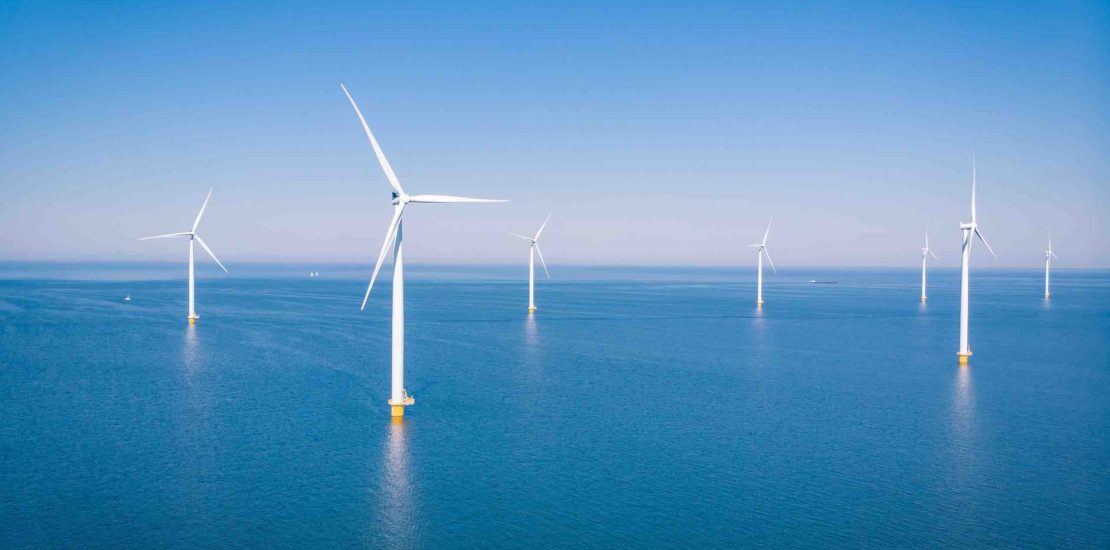
As with solar power, wind energy is seen as a promising renewable resource in Vietnam. South and central areas, as well as the entire coast, offer excellent potential for wind power generation. Installation of 1 GW of wind power by 2020 and 2 GW by 2030 is mandated by the government. In 2020, Vietnam’s wind power capacity was about 0.3 GW.
To meet its increasing energy demand, lessen its reliance on fossil fuels, and lessen its vulnerability to climate change are all motivating Vietnam’s transition to renewable energy. Concerns about energy security and the potential impacts of climate change have arisen due to the country’s reliance on coal and oil imports to meet its energy needs.
To sum up, Vietnam is making significant progress in its transition to renewable energy sources to meet its growing energy demands, reduce its dependence on fossil fuels, and mitigate the effects of climate change. The country has lofty goals for the development of renewable energy, including a target of generating 4-5% of total electricity from renewable sources, as outlined in both the National Power Development Plan for 2011-2020 and the Vision for 2030.